Affordable Veterinary Clinic in Eaton

Veterinary Clinic Eaton

Tips for Keeping Your Pet Healthy at a Veterinary Clinic in Eaton

Are you planning a trip to a veterinary clinic in Eaton and looking for advice on how to keep your pet in good health? If that's the case, you've arrived at the right destination! In the following paragraphs, we will offer you some sound guidance on how to keep your pet in good health and good spirits while accompanying them to an appointment at an Eaton Vet Clinic. For more information, check out Eaton's veterinary clinic today!

Affordable Vet clinic in Eaton

Affordable Veterinary Clinic in Eaton

What is a Veterinary Clinic

A veterinary clinic is a medical facility that provides specialized care for animals. It is staffed by a skilled team of veterinarians and veterinary technicians who are trained to diagnose and treat a variety of animal illnesses and injuries. Veterinary clinics offer a wide range of services, including preventive care, vaccinations, surgery, and emergency care. They also provide advice on nutrition, behaviour, and other aspects of animal care.

At a veterinary clinic, animals are examined and treated for a variety of conditions. Veterinarians and vet nurses use physical exams, laboratory tests, and imaging techniques to diagnose and treat illnesses and injuries. They may also perform surgery, prescribe medications, and provide advice on nutrition and behaviour.

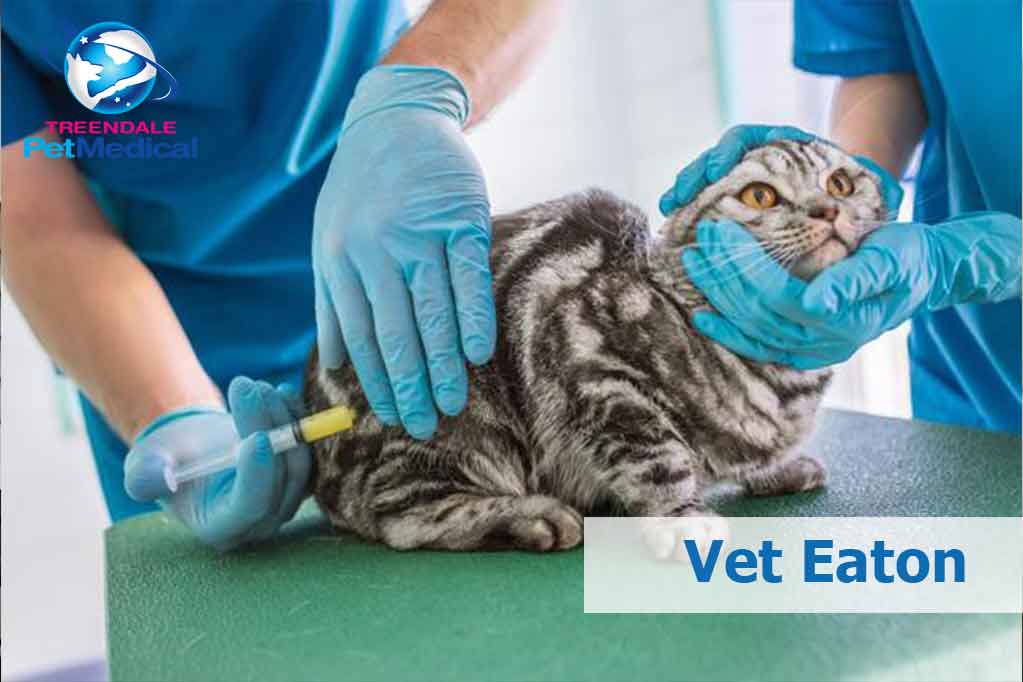
Veterinary clinics also offer preventive care services, such as vaccinations, parasite control, and dental care. These veterinary services help to keep animals healthy and reduce the risk of serious illnesses.

In addition to medical care, veterinary clinics often provide grooming services, such as nail trimming and bathing. They may also offer boarding services for animals who need to stay overnight or for extended periods of time.

Veterinary clinics in Eaton are an important part of the animal health care system. They provide specialized care for animals and help to keep them healthy and happy. Also, the emergency vet clinic provides 24-hour emergency care

via Eaton Dr

via Old Coast Rd and Paris Rd

Veterinarian Clinic

Why Should You Take Your Pet There?

Taking your pet to a professional pet care facility offers numerous benefits that you won't find anywhere else. Here are a few reasons why you should take your pet there.

  • Your pet will receive the highest quality of care: Taking your pet to a reputable veterinary clinic ensures that it will receive the best possible care. The staff is knowledgeable and experienced in providing the best medical treatments and preventive care for your pet.
  • Your pet will be in a safe and comfortable environment: Veterinary facilities are designed to provide a safe and comfortable environment for your pet. The staff is trained to handle any situation that may arise and will make sure your pet is comfortable and secure.
  • Your pet will receive personalized attention: Veterinary clinics or Advanced animal hospitals provide personalized attention to each pet. The staff will take the time to get to know your pet and understand its individual needs. This allows them to provide the best possible care for your pet.
  • Your pet will receive the latest treatments and technologies: Veterinary clinics use the latest treatments and technologies to ensure your pet receives the best possible care. This includes advanced diagnostic tools, emergency treatment plans, and medications that are tailored to your pet's individual needs.
  • Your pet will receive preventive care: Eaton's Veterinary clinics provide preventive veterinary care to help keep your pet healthy. This includes vaccinations, parasite control, and nutrition counseling. This helps to ensure your pet stays healthy and happy.
Veterinarian Clinic

Veterinary Services

How to Prepare for Your Visit to the Vet

Preparing for a visit to the vet can be a stressful experience for you and your pet. To make the experience as stress-free as possible, there are a few steps you can take to ensure you and your pet are ready for the visit.

  1. Make sure you have all the necessary paperwork - This includes your pet's medical records, vaccination records, and any other relevant documents. If you don't have these documents, contact your vet to ensure you have everything you need.
  2. Make sure your pet is comfortable with the vet - If your pet has never been to the vet before, take them for a few practice visits to get them used to the environment. During these visits, allow your pet to explore the office and meet the staff. This will help them feel more comfortable when it's time for their actual appointment.
  3. Make sure you have all the necessary supplies - Bring a leash and collar for your pet, as well as a carrier if they need one. If your pet is on any medications, bring those as well.
  4. Be prepared to answer questions - Your vet will likely ask you about your pet's diet, exercise routine, and any other relevant information. Having this information ready ahead of time will make the visit go more smoothly.

By following these steps, you can ensure that your visit to the vet is as stress-free as possible. With a little preparation, you and your pet can have a successful and enjoyable experience. Also, visit the Bunbury vet clinic for more.

Treendale Vet Clinic

What Happens During a Veterinary Exam?

During a veterinary exam, the experienced veterinarian and veterinary nurse will take a thorough history of your pet's health, lifestyle, and any recent changes. They will then perform a physical examination, which includes checking your pet's eyes, ears, nose, mouth, and skin. The experienced veterinarian will also check your pet's temperature, heart rate, and respiration. They will listen to your pet's heart and lungs with a stethoscope and palpate the abdomen to check for any abnormalities. Depending on the age and breed of your pet, veterinarian medicine may also recommend blood work, urinalysis, or other diagnostic tests. After the physical exam, the veterinarian will discuss any concerns and provide recommendations for preventive care, such as vaccinations, parasite control, and nutrition. Finally, veterinarian medicine will answer any questions you may have and provide you with a plan for your pet's ongoing care. Read here to learn more.

Veterinary Hospital

What are the Most Common Diseases in Pets?

Pets are susceptible to many of the same diseases as humans, but there are some that are more common in pets than in humans. The most common diseases in pets include:

  • Heartworm Disease: Heartworm disease is a serious and potentially fatal condition caused by parasitic worms living in the arteries of the lungs and occasionally in the right side of the heart of dogs, cats, and other species of mammals.
  • Flea Allergy Dermatitis: Flea allergy dermatitis is an allergic reaction to flea saliva that can cause intense itching, redness, and hair loss in pets.
  • Intestinal Parasites: Intestinal parasites, such as roundworms, hookworms, and whipworms, are common in pets and can cause a variety of symptoms, including vomiting, diarrhea, and weight loss.
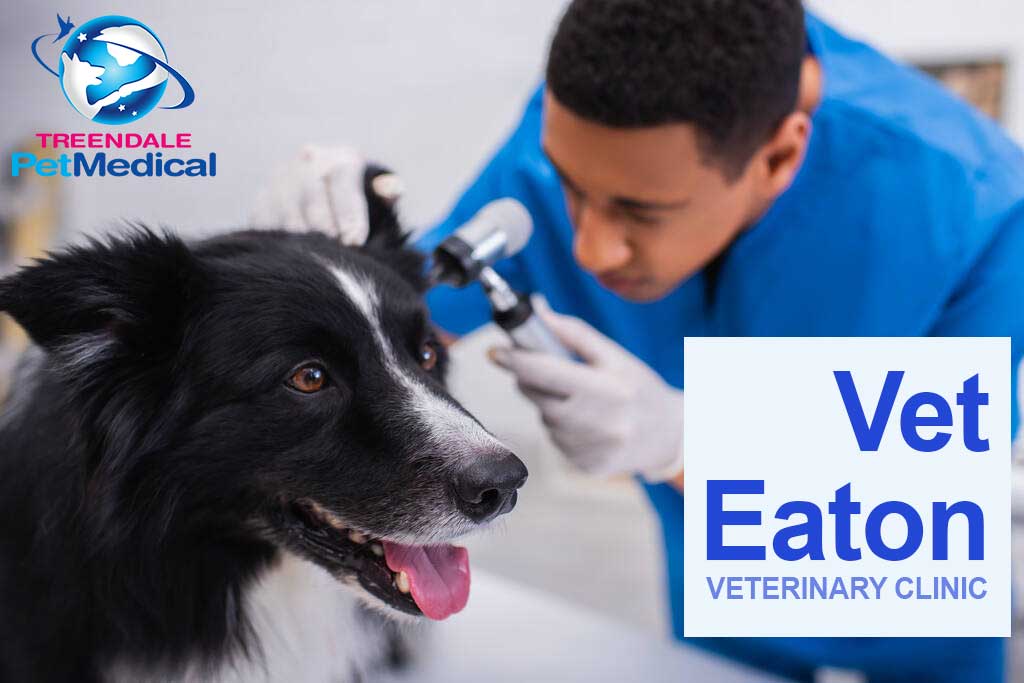
  • Ear Infections: Ear infections are common in pets, especially dogs, and can cause pain, itching, and discharge from the ears.
  • Skin Infections: Skin infections, such as bacterial and fungal infections, are common in pets and can cause itching, redness, and hair loss.
  • Urinary Tract Infections: Urinary tract infections are common in cats and can cause pain, frequent urination, and blood in the urine.
  • Diabetes: Diabetes is a common condition in pets, especially cats, and can cause increased thirst and urination, weight loss, and lethargy.
  • Hypothyroidism: Hypothyroidism is a common condition in dogs and can cause weight gain, hair loss, and lethargy.
  • Cancer: Cancer is a common condition in pets and can cause a variety of symptoms, including weight loss, lethargy, and lumps or bumps on the skin. Visit www.business.qld.gov.au to learn more!

Conclusion

Visiting a veterinary clinic in Eaton Rapids is an important part of keeping your pet healthy. To ensure your pet receives the best care, it is important to take the time to prepare for your visit. First, make sure to bring your pet's medical records, including any recent lab results or X-rays. This will help the veterinarian medicine to quickly assess your pet's health. Second, make sure to bring a list of any questions or concerns you may have about your pet's health. This will help the experienced veterinarian or animal attendant to provide the best possible care. Third, make sure to follow the veterinarian's instructions for follow-up care. This may include scheduling regular check-ups, administering medications, or making dietary changes. Finally, make sure to keep your pet's vaccinations up to date. This will help to protect your pet from preventable diseases. By following these tips, you can ensure that your pet receives the best care possible at a veterinary animal clinic in Eaton.

Eaton Vet Clinic

Frequently Asked Questions

Should I feed my dog before a vet visit?

Yes, you should feed your dog before a vet visit. Doing so will ensure that your dog is comfortable and not distracted by hunger during the appointment.

How do I calm my dog down before a vet visit?

To calm your dog before a vet visit, try engaging them in a calming activity such as a game of fetch or a long walk. You can also provide them with a favorite toy or treat to help distract them from the upcoming visit. Additionally, you can use calming scents such as lavender or chamomile to help relax your dog. Finally, make sure to give your dog plenty of love and reassurance to help them feel safe and secure.

Why do we need to take of our pets?

Taking care of our pets is essential for their health and well-being. It is our responsibility to provide them with the necessary food, water, shelter, and medical care they need to stay healthy and happy. Additionally, providing them with regular exercise and socialization helps to keep them mentally stimulated and can help to prevent behavioural issues. Finally, taking care of our pets helps to strengthen the bond between them and us, creating a lasting and meaningful relationship.

Why should pets not be kept at home?

Pets should not be kept at home because they require a lot of attention and care. They need to be taken for regular walks, fed, groomed, and taken to the vet for check-ups. Additionally, they can cause damage to furniture and other items in the home, and they can be noisy and disruptive. Finally, they can be expensive to maintain, and they can be a source of allergies for some people.

What activities are carried out in a veterinary clinic?

A veterinary clinic carries out a variety of activities, including diagnosing and treating illnesses and injuries, performing surgery, vaccinating animals, providing preventive care, and educating pet owners on proper animal care. They also provide emergency services, such as 24-hour care for sick or injured animals.

What should you not say to a vet?

It is important to be respectful and mindful when speaking to a vet. You should avoid making any negative comments about their service or the military in general, as well as any jokes or insensitive remarks. Additionally, it is best to avoid asking personal questions or making assumptions about their experiences. Instead, show your appreciation for their service and be sure to thank them for their sacrifice.

What are the three safety hazards in the veterinary clinic?

Three safety hazards in the veterinary clinic include exposure to zoonotic diseases, hazardous chemicals, and sharp objects. Zoonotic diseases are diseases that can be transmitted from animals to humans, and veterinary clinics are at risk for exposure to these diseases. Hazardous chemicals, such as cleaning agents and disinfectants, are also present in veterinary clinics and can cause harm if not handled properly. Finally, sharp objects, such as needles and scalpels, are commonly used in veterinary clinics and can cause injury if not handled with care.